 English
 中文简体
中文简体
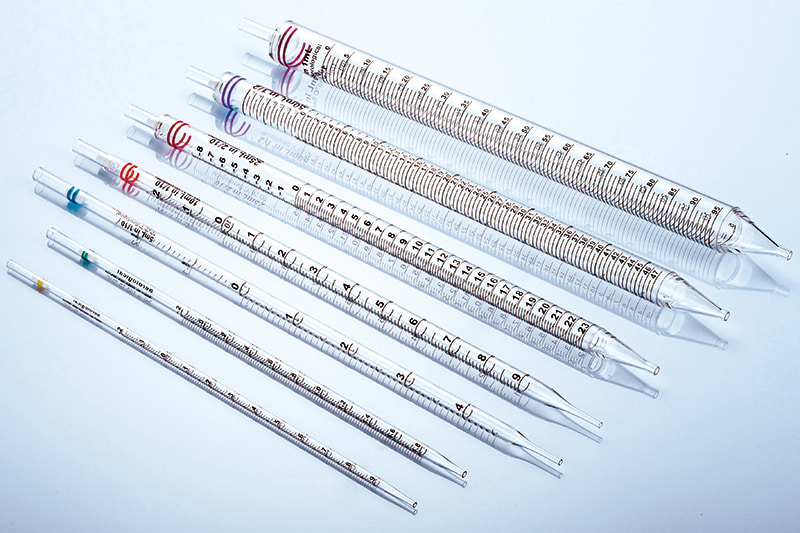
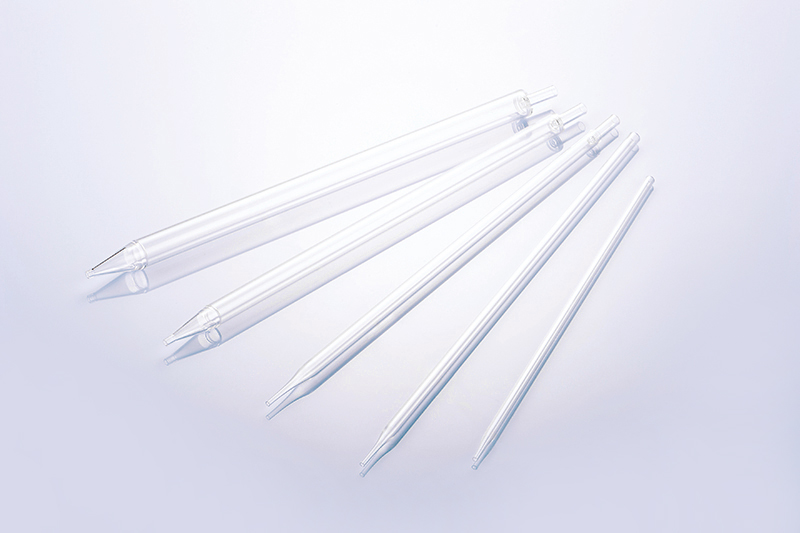
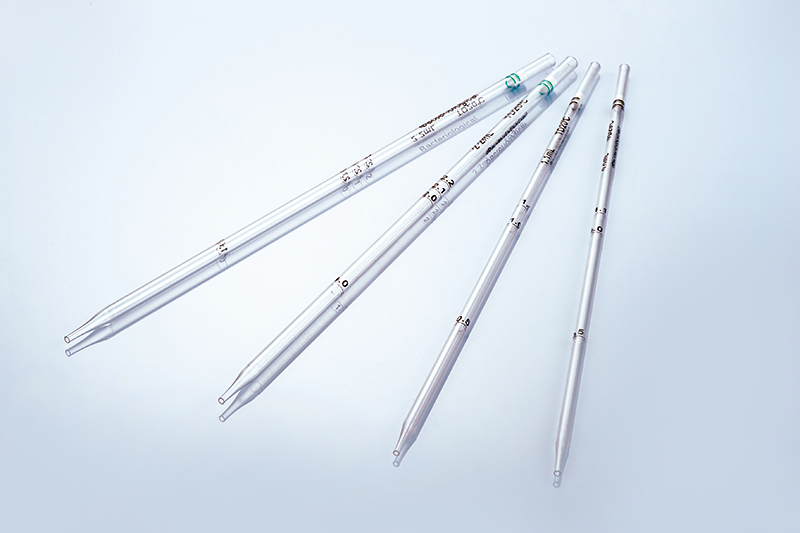
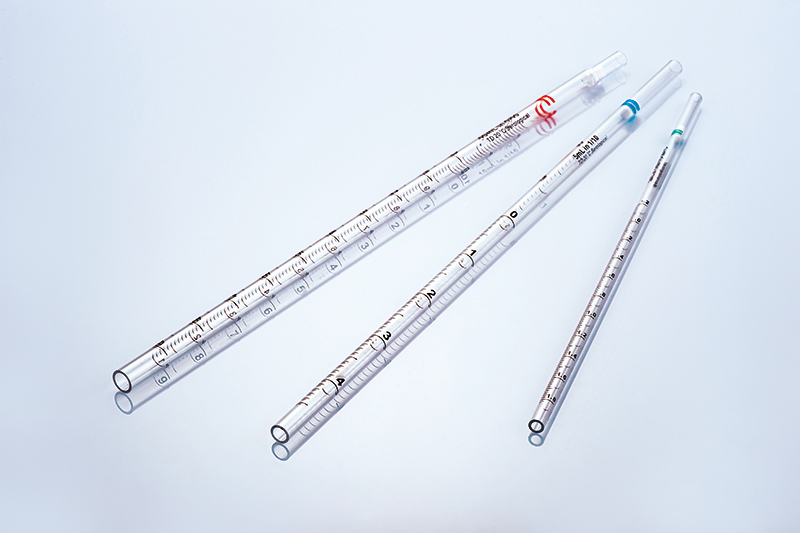
Disposable Milk Pipettes are widely used in both laboratory and food industry applications for precise liquid handling. Their ability to maintain consistent performance under repeated use is critical for operations that involve frequent liquid measurement or transfer. While these pipettes are designed for single-use applications, understanding their mechanical durability, material resilience, and functional stability under repeated squeezing is essential for ensuring reliability and efficiency in professional settings.
Material Composition and Structural Design
The performance of disposable milk pipettes under repeated squeezing is primarily determined by their material composition and structural design. These pipettes are commonly fabricated from flexible, food-grade plastics such as polyethylene (PE) or polypropylene (PP). These materials are selected for their combination of flexibility, chemical resistance, and compliance with food safety standards.
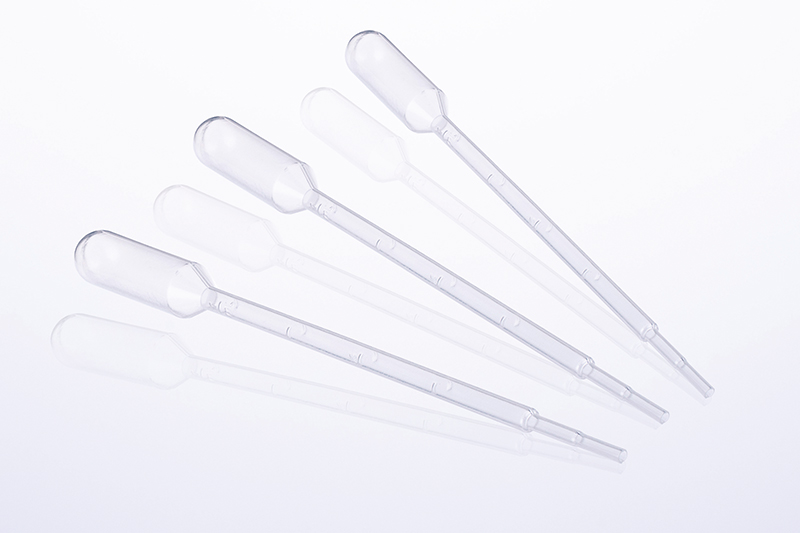
The pipette consists of a narrow, cylindrical tube and a squeezable bulb at the top. The elasticity of the bulb is critical: it must return to its original shape after each squeeze to ensure accurate liquid aspiration and dispensing. The thickness of the bulb walls, the uniformity of the material, and the precision of the molding process all contribute to the pipette’s performance under repeated compression.
Table 1 summarizes key material properties that influence repeated-squeeze performance in disposable milk pipettes.
| Property | Influence on Performance | Typical Range |
|---|---|---|
| Elasticity | Determines bulb recovery after squeezing | Medium to High |
| Wall Thickness | Affects durability and resistance to deformation | 0.5–1.5 mm |
| Chemical Resistance | Ensures no interaction with milk or other liquids | PE/PP compliant |
| Surface Smoothness | Reduces residue adherence and ensures smooth flow | 0.1–0.3 µm |
Performance Factors Under Repeated Use
Bulb Resilience
The primary factor affecting repeated-squeeze performance is bulb resilience. Over multiple compressions, low-quality bulbs may lose their elasticity, resulting in incomplete liquid uptake or delayed dispensing. Bulb fatigue is influenced by the type of polymer used, the curing process, and the thickness of the material. In high-frequency laboratory or food processing scenarios, pipette bulbs with higher tensile strength and uniform wall distribution demonstrate significantly improved longevity.
Pipette Tip Precision
Even if the bulb maintains elasticity, the tip of the pipette can affect performance. Repeated squeezing may induce slight deformation at the tip, particularly in very narrow or elongated designs. Such deformations can alter flow rate or cause inconsistent drop sizes. Maintaining tip integrity is crucial for applications that require precision, such as measuring specific milk volumes or small liquid samples.
Temperature and Storage Conditions
The performance of disposable milk pipettes is also sensitive to environmental conditions. High temperatures may soften the plastic, reducing bulb resilience, while cold storage can make the material brittle. Repeated squeezing in extreme conditions can accelerate material fatigue, leading to reduced functional reliability. Therefore, maintaining recommended storage conditions is essential for consistent performance.
Industrial Applications and Practical Considerations
Laboratory Use
In laboratory settings, disposable milk pipettes are frequently used for titration, sample transfer, and chemical testing. In these scenarios, repeated squeezing is unavoidable, particularly in high-throughput laboratories. Selecting pipettes with high elasticity bulbs and chemically resistant tips ensures that repeated use does not compromise volume accuracy or fluid control.
Food Industry Applications
In the food and dairy sector, disposable milk pipettes are commonly used for transferring milk samples, additives, or reagents during quality control processes. Repeated squeezing in such environments demands both hygienic compliance and mechanical durability. Pipettes must retain their flexibility while avoiding contamination from residual liquids. Properly designed disposable milk pipettes minimize the risk of leaks or incomplete aspiration during repeated use.
Operational Guidelines
To maximize performance under repeated squeezing, the following practical considerations are recommended:
- Avoid overfilling the bulb beyond its designed capacity.
- Squeeze the bulb with consistent pressure to minimize uneven stress.
- Store pipettes away from heat sources and direct sunlight.
- Inspect bulbs for visible deformation or cracks before use.
Table 2 illustrates typical performance indicators for disposable milk pipettes subjected to repeated squeezing cycles.
| Test Condition | Number of Squeezes | Observed Effect | Performance Rating |
|---|---|---|---|
| Room Temperature | 50 | Minor elasticity loss | High |
| Room Temperature | 200 | Slight delay in liquid uptake | Medium |
| Elevated Temperature (40°C) | 50 | Bulb softening, increased leakage | Medium |
| Low Temperature (5°C) | 50 | Minor tip rigidity, slower dispensing | Medium-High |
Quality Standards and Compliance
Ensuring consistent performance requires adherence to industry standards. Disposable milk pipettes must comply with food contact regulations and safety certifications relevant to their intended markets. Quality control measures, including visual inspection, material testing, and functional testing, are essential to identify defects that could compromise performance under repeated squeezing.
Additionally, batch-to-batch consistency is critical. Even minor variations in wall thickness or polymer composition can impact elasticity and tip integrity, leading to inconsistent performance. Manufacturers often implement statistical process controls to monitor key production parameters.
Innovations in Design
Recent advances in disposable pipette design have focused on improving repeated-squeeze performance. Innovations include:
- Enhanced bulb materials with improved tensile strength.
- Reinforced tip designs to maintain consistent flow.
- Anti-slip surfaces to facilitate precise squeezing without overstressing the bulb.
- Ergonomic bulb shapes to reduce user fatigue during repeated handling.
These design improvements aim to extend functional lifespan even in high-demand environments.
Environmental and Sustainability Considerations
While disposable milk pipettes are designed for single use, repeated squeezing during testing or quality control highlights the need for responsible disposal. Modern pipettes are often made from recyclable or biodegradable plastics, which can reduce environmental impact. Users should follow local waste management guidelines to ensure proper disposal.
Conclusion
Disposable milk pipettes exhibit performance characteristics that are highly dependent on material composition, bulb design, and environmental conditions. Under repeated squeezing, the most critical factors are bulb resilience, tip integrity, and proper handling. High-quality pipettes maintain consistent aspiration and dispensing over multiple cycles, making them suitable for laboratory and food industry applications. Adhering to recommended usage and storage practices, while selecting pipettes designed for mechanical durability, ensures reliable, precise, and safe operation.
Frequently Asked Questions (FAQ)
Q1: Can disposable milk pipettes be reused after repeated squeezing?
A1: Although designed for single use, some high-quality pipettes may maintain performance over multiple squeezes. However, reuse is not recommended due to hygiene and contamination risks.
Q2: How many squeezes can a disposable milk pipette typically withstand?
A2: Performance varies by material and design. Standard pipettes can usually withstand 50–200 gentle squeezes without significant loss of function.
Q3: Does bulb size affect repeated-squeeze durability?
A3: Yes. Larger bulbs may provide better elasticity but can fatigue faster if overfilled. Optimal sizing balances volume capacity and mechanical resilience.
Q4: Are all disposable milk pipettes suitable for high-temperature liquids?
A4: Not all. Material composition determines thermal tolerance. Always check manufacturer guidelines for maximum recommended temperature.
Q5: How should pipettes be stored to maximize repeated-squeeze performance?
A5: Store in a cool, dry place away from direct sunlight or heat sources. Avoid compressing bulbs during storage.
References
- Food and Drug Administration (FDA). Guidelines for Food Contact Plastics. 2022.
- European Committee for Standardization (CEN). EN 1186: Plastics Materials in Contact with Foodstuffs. 2021.
- International Organization for Standardization (ISO). ISO 7405: Laboratory Pipettes – Requirements and Testing. 2020.