 English
 中文简体
中文简体
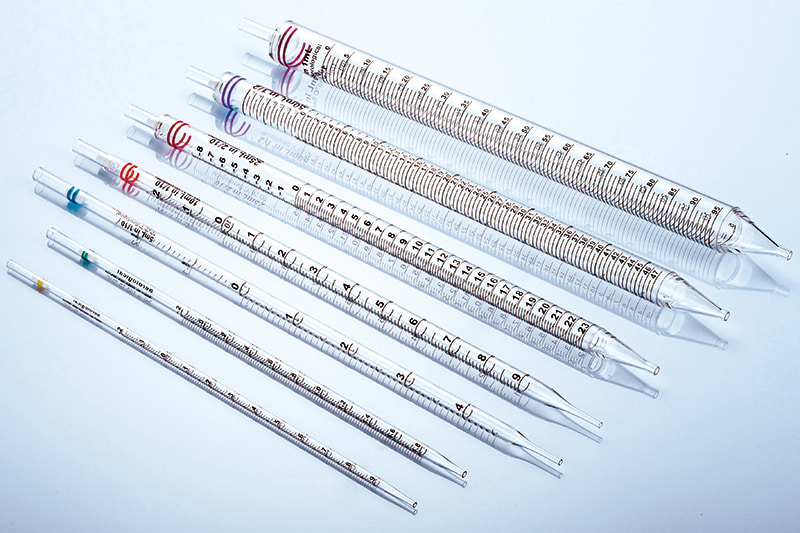
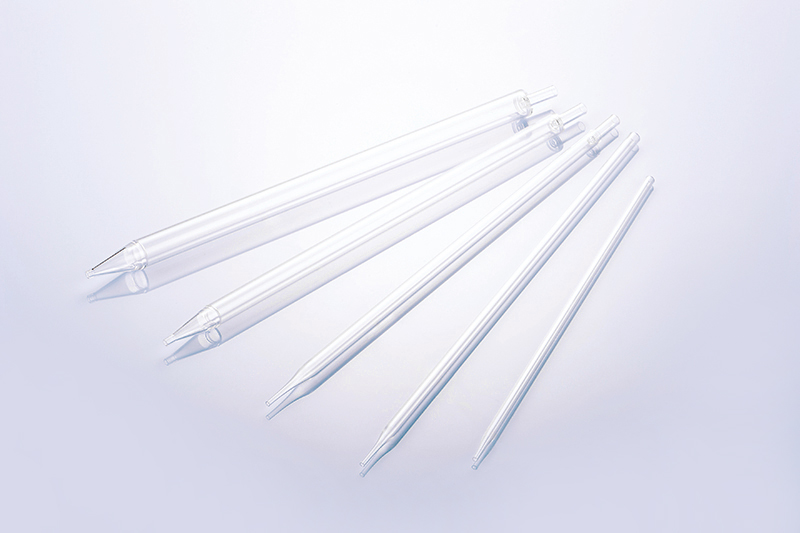
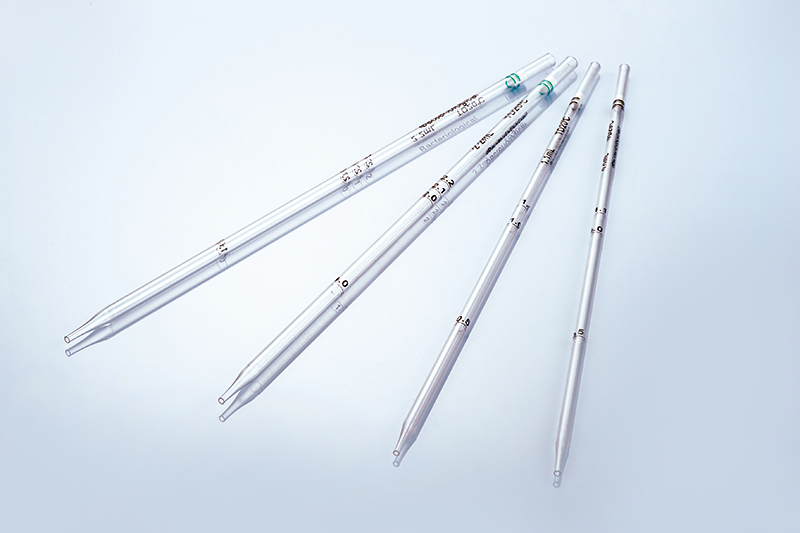
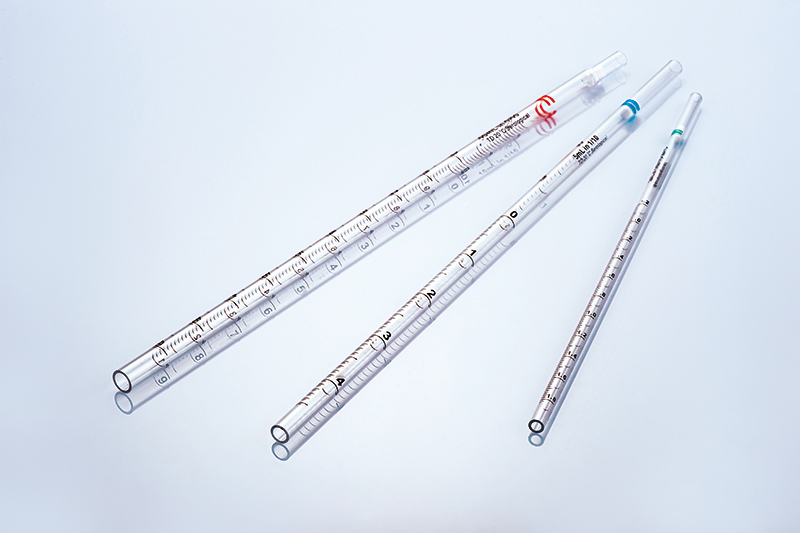
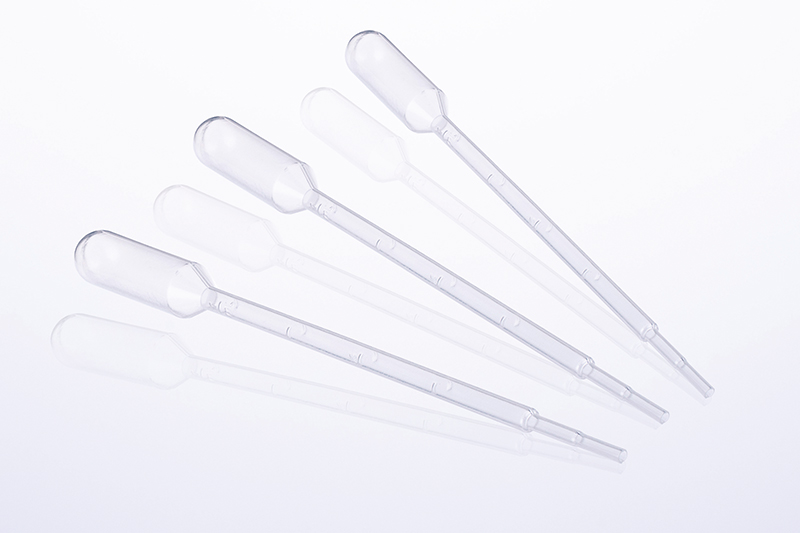
The surface finish of Open End Pipettes is a critical determinant of their overall performance, influencing accuracy, reproducibility, and operational efficiency. In laboratory workflows, where precision is paramount, even minor variations in the internal or external surface characteristics of pipettes can have significant implications.
Understanding Surface Finish in Open End Pipettes
Surface finish refers to the texture and smoothness of the internal and external surfaces of Open End Pipettes. It is typically achieved through controlled manufacturing processes such as polishing, coating, or chemical treatments. The internal surface finish directly impacts liquid handling properties, including the rate of aspiration and dispensing, the retention of droplets, and the ease of cleaning. The external surface finish, although less critical to direct liquid handling, contributes to user ergonomics and the pipette’s compatibility with automated handling systems.
From a material science perspective, the surface finish interacts with the physical and chemical properties of the liquids being handled. Laboratory reagents, biological samples, and high-viscosity solutions respond differently depending on whether the pipette surface is highly polished, matte, or coated with specialized non-stick layers. Therefore, understanding these interactions is essential for selecting pipettes that maintain consistent performance across varied applications.
Impact on Accuracy and Reproducibility
The accuracy of Open End Pipettes is inherently linked to their surface finish. Smooth internal surfaces reduce liquid adhesion, which minimizes volume discrepancies during aspiration and dispensing. Conversely, rough or uneven surfaces can trap minute volumes of liquid, leading to cumulative errors over multiple pipetting cycles.
Reproducibility, or the ability to achieve consistent results across repeated measurements, is similarly influenced. Laboratories that conduct high-throughput experiments, such as microbiological assays or clinical sample analysis, demand pipettes that deliver uniform performance. An optimized surface finish ensures that the liquid behaves predictably, which is particularly crucial for reagents that are sensitive to contamination or evaporation.
The following table highlights common surface finish types and their associated effects on accuracy and reproducibility:
| Surface Finish Type | Characteristic | Effect on Accuracy and Reproducibility |
|---|---|---|
| Polished | Smooth, reflective surface | High accuracy; minimal liquid retention; consistent results |
| Matte or micro-rough | Slightly textured | Moderate retention; potential minor volume variation |
| Coated (hydrophobic or PTFE) | Specialized surface treatment | Reduced adhesion; ideal for sticky or viscous liquids |
Influence on Liquid Transfer Efficiency
Open End Pipettes are widely used in applications requiring precise liquid transfer, including titration, dilution, and sample preparation. The efficiency of these processes is directly affected by the pipette’s surface finish. A smoother surface allows liquids to flow freely, reducing drag and minimizing residual volume. In contrast, a poorly finished pipette surface can slow liquid transfer, particularly when handling viscous solutions or protein-based reagents, which tend to cling to rough surfaces.
The choice of surface finish also interacts with the pipette design. For instance, pipettes with narrower tips or larger volumetric ranges are more sensitive to internal surface irregularities. In automated laboratory settings, where robotic pipetting systems are employed, consistent surface finish ensures that the pipettes operate reliably under high-speed conditions.
Cleaning, Sterilization, and Surface Finish Durability
Maintaining the performance of Open End Pipettes requires regular cleaning and, in many cases, sterilization. The surface finish plays a pivotal role in determining the ease of these maintenance procedures. Smooth and coated surfaces resist contamination and allow residues to be removed efficiently, whereas rough surfaces can trap biological or chemical residues, increasing the risk of cross-contamination.
Furthermore, durability under repeated cleaning cycles is critical for laboratory operations. Certain surface treatments, such as chemical-resistant coatings, extend the life of pipettes by preserving the finish against harsh cleaning agents and autoclaving. Selecting pipettes with surfaces that withstand routine sterilization helps reduce maintenance costs and prolongs operational reliability.
The table below summarizes the relationship between surface finish, cleaning ease, and durability:
| Surface Finish Type | Cleaning Ease | Sterilization Durability |
|---|---|---|
| Polished | High | Moderate to high |
| Matte | Moderate | Moderate |
| Coated (hydrophobic/PTFE) | High | High |
Considerations for Laboratory Procurement
For procurement specialists and laboratory managers, understanding the impact of surface finish on Open End Pipettes is essential. Several factors should be considered:
- Application requirements: Laboratories conducting biochemical assays, PCR preparation, or clinical diagnostics may prioritize pipettes with minimal liquid retention and smooth surfaces.
- Material compatibility: Surface finish interacts with the chemical properties of reagents. Choosing compatible pipettes prevents degradation or contamination.
- Maintenance protocols: Pipettes that undergo frequent cleaning or autoclaving benefit from durable finishes that resist wear.
- Automation integration: Smooth, consistent surfaces enhance compatibility with robotic liquid handling systems, reducing downtime and error rates.
Procurement decisions should balance cost, performance, and longevity. While highly polished or coated pipettes may carry higher upfront costs, they often deliver superior long-term efficiency and reliability.
Surface Finish and Specialized Applications
Certain laboratory environments impose additional requirements on pipette surfaces. For example, in molecular biology, where nucleic acid samples are sensitive to surface adsorption, a hydrophobic or PTFE-coated pipette minimizes sample loss. In high-throughput screening, smooth internal surfaces reduce variability and improve data quality across thousands of pipetting cycles.
Moreover, some analytical procedures require pipettes to handle highly viscous fluids, such as glycerol or cell culture media. A pipette with a suboptimal surface finish can lead to inconsistent volumes, which directly affects experimental outcomes. Thus, evaluating the surface finish relative to intended applications is a crucial step in laboratory planning.
Technological Advances in Surface Finishing
Recent developments in manufacturing have enhanced the performance of Open End Pipettes through advanced surface finishing techniques. Methods such as laser polishing, chemical vapor deposition, and nanocoatings allow manufacturers to produce surfaces with precise micro-textures that optimize liquid transfer and minimize retention. These technological improvements have broadened the range of applications where pipettes can deliver high accuracy and reproducibility.
Additionally, modern surface finishing techniques contribute to environmental and operational sustainability by extending pipette lifespan, reducing the need for frequent replacements, and facilitating easier cleaning processes.
Practical Recommendations for Users
Laboratory personnel can maximize pipette performance by considering the following practical strategies:
- Inspect the internal surface for visible irregularities before use.
- Choose pipettes with finishes appropriate to the viscosity and chemical nature of the samples.
- Follow manufacturer-recommended cleaning and sterilization procedures to preserve the surface finish.
- Document pipette performance periodically to detect any decline potentially related to surface wear.
By adhering to these practices, laboratories can maintain high standards of precision and reduce variability caused by pipette surface characteristics.
Conclusion
The surface finish of Open End Pipettes is a fundamental factor affecting accuracy, reproducibility, liquid transfer efficiency, and maintenance ease. Selecting pipettes with appropriate surface characteristics ensures reliable performance across diverse laboratory applications, from clinical diagnostics to high-throughput research. Smooth, polished, or coated surfaces enhance liquid handling, reduce contamination risks, and extend pipette lifespan, making surface finish an essential consideration for both procurement and daily laboratory operations.
FAQ
Q1: What is the optimal surface finish for general-purpose Open End Pipettes?
A1: A polished or smooth surface is generally optimal for routine laboratory applications as it minimizes liquid retention and improves reproducibility.
Q2: Can surface finish affect the handling of viscous solutions?
A2: Yes, rough or matte surfaces can cause viscous liquids to adhere, leading to inconsistent volumes. Coated or highly polished finishes improve handling.
Q3: How does surface finish influence cleaning and sterilization?
A3: Smooth and coated surfaces facilitate easier cleaning and resist degradation during autoclaving, reducing cross-contamination risks.
Q4: Are specialized surface coatings necessary for molecular biology applications?
A4: Coatings such as hydrophobic or PTFE are recommended for sensitive samples to prevent adsorption and sample loss.
Q5: Does surface finish impact compatibility with automated pipetting systems?
A5: Yes, consistent smooth finishes ensure reliable interaction with robotic systems, enhancing throughput and accuracy.
References
- Laboratory Equipment Standards Committee. Guidelines for Pipette Performance and Maintenance. 2021.
- Smith, A., & Johnson, L. Advances in Laboratory Pipette Surface Technology. Journal of Laboratory Automation, 2020.
- International Organization for Standardization (ISO). ISO 8655-2: Gravimetric Methods for Pipette Calibration. 2019.