 English
 中文简体
中文简体
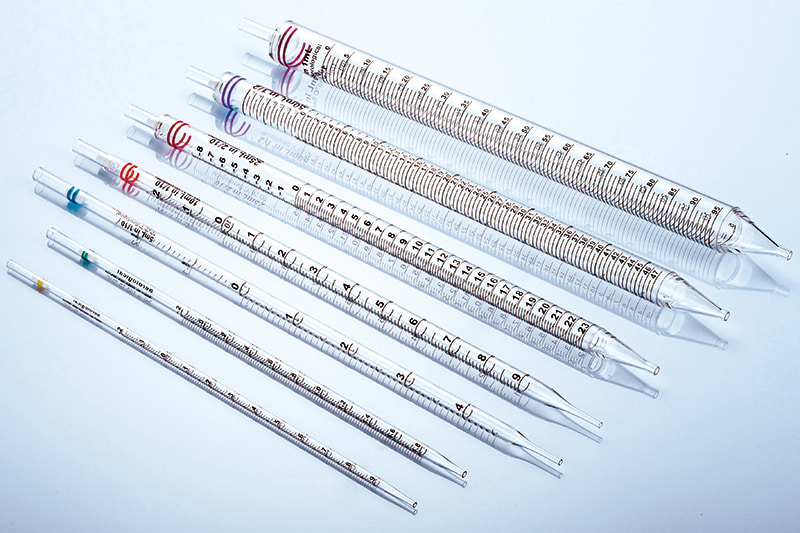
Disposable short pipettes are essential tools in laboratories, clinical settings, and various research applications. They provide a convenient and hygienic method for transferring small volumes of liquids. Understanding what types of liquids are suitable for use with disposable short pipettes is crucial for achieving accurate results and maintaining laboratory safety.
Overview of disposable short pipettes
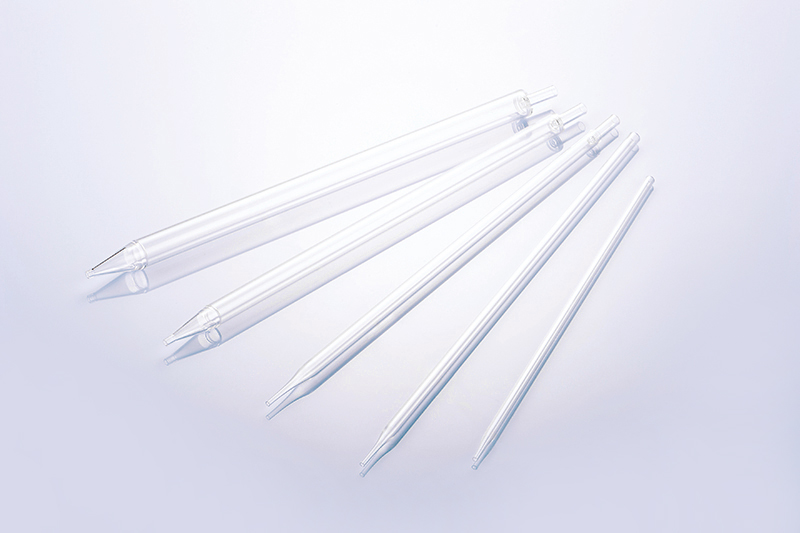
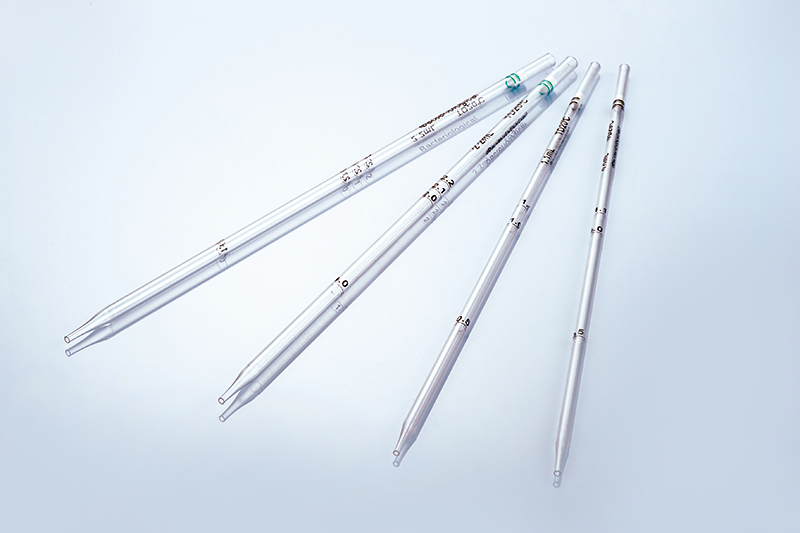
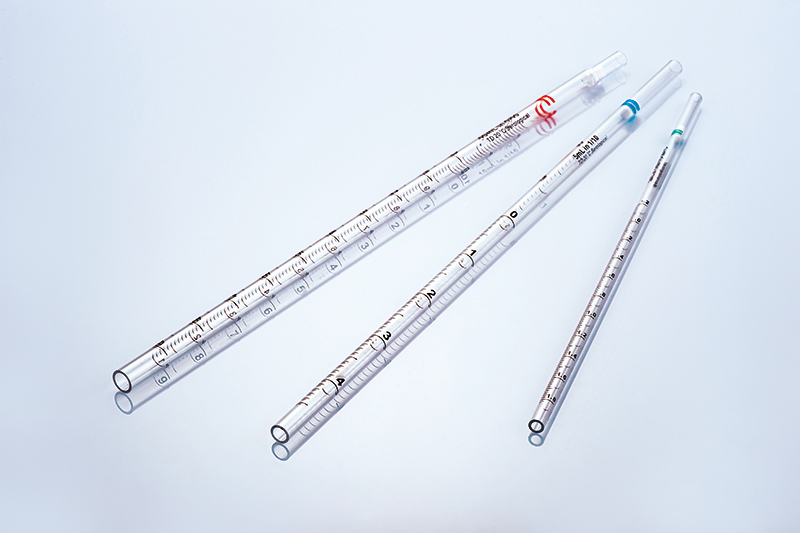
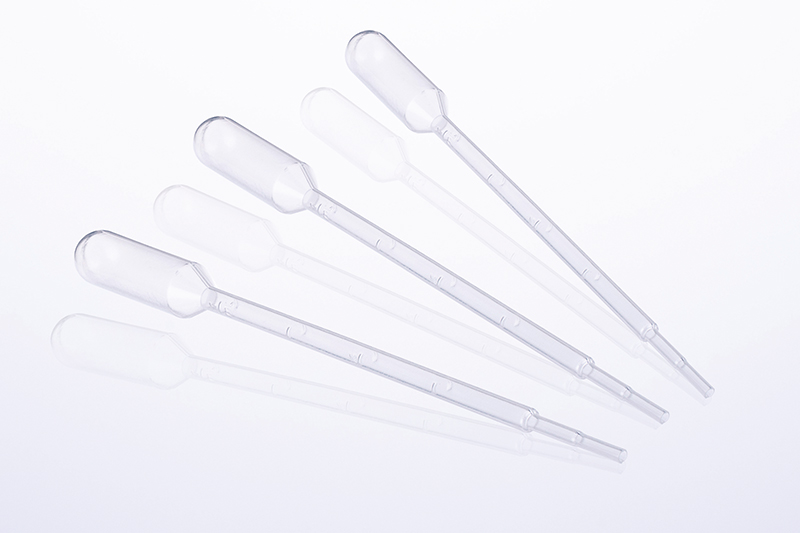
Disposable short pipettes are small, lightweight pipetting instruments designed for single-use applications. Their primary function is to transfer liquids in controlled volumes without cross-contamination. These pipettes are commonly used in medical laboratories, educational institutions, chemical testing labs, and research facilities.
The materials used in disposable short pipettes, typically high-quality plastics such as polyethylene or polypropylene, provide chemical resistance and reduce the risk of contamination. Disposable short pipettes are particularly valued for their ease of use, affordability, and compatibility with a wide range of liquids.
Characteristics of liquids suitable for disposable short pipettes
Not all liquids are suitable for handling with disposable short pipettes. The compatibility of a liquid with a pipette depends on its physical properties, including viscosity, chemical reactivity, and volatility. Liquids that are suitable for use with disposable short pipettes generally share certain characteristics:
- Low to moderate viscosity: These pipettes are designed to handle liquids that flow easily. Highly viscous liquids may require special equipment for accurate transfer.
- Chemical compatibility: Disposable short pipettes are usually resistant to mild acids, bases, and aqueous solutions, but may degrade when exposed to strong solvents or corrosive substances.
- Non-volatile or moderately volatile liquids: Liquids with very high evaporation rates can be challenging to transfer accurately using disposable short pipettes.
Common laboratory liquids for disposable short pipettes
In laboratory and research settings, disposable short pipettes are often used to transfer a wide range of liquids. Some commonly handled liquids include:
| Liquid Type | Description | Suitability Notes |
|---|---|---|
| Aqueous solutions | Water-based solutions, buffers, and culture media | Highly suitable due to chemical compatibility and low viscosity |
| Biological fluids | Blood, serum, urine, and other biological samples | Suitable for single-use applications to prevent cross-contamination |
| Reagents | Mild acids, bases, and enzyme solutions | Compatible with most pipette materials, but avoid strong corrosive reagents |
| Diluted solvents | Alcohols or mild organic solvents | Use with caution, depending on concentration and exposure time |
These examples highlight the versatility of disposable short pipettes while emphasizing the importance of assessing liquid properties before use.
Liquids to handle with caution
While disposable short pipettes are versatile, certain liquids require careful consideration:
- Highly viscous liquids: Syrups, gels, or concentrated solutions may flow too slowly, affecting accuracy.
- Strong organic solvents: Acetone, chloroform, or concentrated alcohols may compromise pipette integrity over time.
- Corrosive chemicals: Strong acids or bases can degrade plastic materials, causing leakage or breakage.
- Volatile liquids: Rapid evaporation can alter the volume being transferred, leading to inconsistent results.
In these cases, specialized pipettes or alternative transfer methods may be recommended to ensure precision and safety.
Best practices for using disposable short pipettes with various liquids
To optimize performance when using disposable short pipettes, follow these guidelines:
- Select the appropriate pipette size for the volume and type of liquid being handled.
- Avoid prolonged contact with corrosive or reactive liquids.
- Maintain proper technique to minimize air bubbles and ensure accurate transfer.
- Use single-use pipettes to prevent cross-contamination, particularly with biological fluids.
- Store pipettes in a clean, dry environment to maintain their structural integrity.
By following these best practices, laboratories can maximize both the efficiency and reliability of disposable short pipettes.
Applications across industries
Disposable short pipettes are widely used in various industries:
- Clinical and diagnostic laboratories: Handling blood samples, serum, and urine safely and hygienically.
- Pharmaceutical research: Transferring reagents and solutions during drug development studies.
- Educational laboratories: Providing a safe and cost-effective method for students to practice liquid transfer.
- Food and beverage testing: Sampling small volumes of liquids for quality control purposes.
These applications demonstrate the adaptability of disposable short pipettes across different liquid types while emphasizing the importance of selecting the appropriate pipette for the intended use.
Conclusion
Understanding what types of liquids are suitable for use with disposable short pipettes is essential for accurate and safe laboratory practices. By considering factors such as viscosity, chemical compatibility, and volatility, laboratory professionals can select the right pipette and liquid combination. Proper technique, storage, and single-use protocols further ensure reliability and prevent contamination.
Disposable short pipettes remain a versatile and indispensable tool for laboratories, research facilities, and educational settings, providing a practical solution for the safe transfer of a wide range of liquids.